This is ours.
I am an immigrant and the daughter of immigrants.
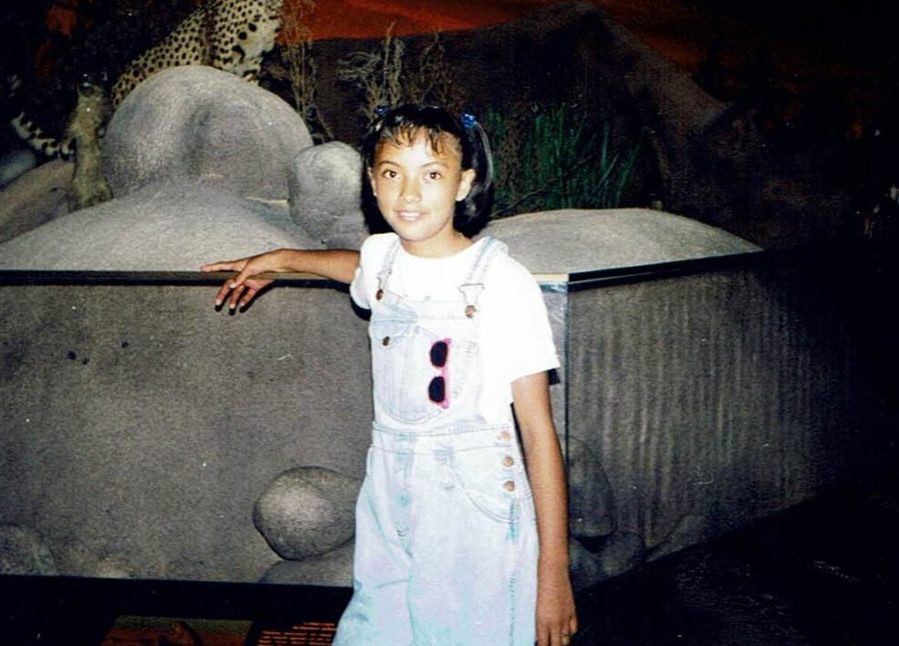
I was born in El Salvador and came to the United States when I was four years old.
My parents made the difficult decision to leave our home because of the violence and uncertainty that surrounded the beginning of El Salvador’s civil war. Over the next twelve years, the country would endure one of the bloodiest conflicts in Latin America. More than 75,000 people lost their lives. Families were torn apart. Children were orphaned. Entire communities learned to live with fear.
Violence wasn’t the only struggle.
There were also no jobs and my parents needed to survive and stay safe. This led them to make the decision that it was safer to flee our country. Leaving their home and family to make the dangerous journey to an unknown country was not easy.
My dad was the first to make the journey. Once he found work and settled down, a year later my mother and I prepared to meet him.
Leaving our native country is not just about crossing a border. It means saying by to family, friends, and familiarity. It meant saying goodby to everything they had ever known. For my mom it meant trusting God with an unknown future.
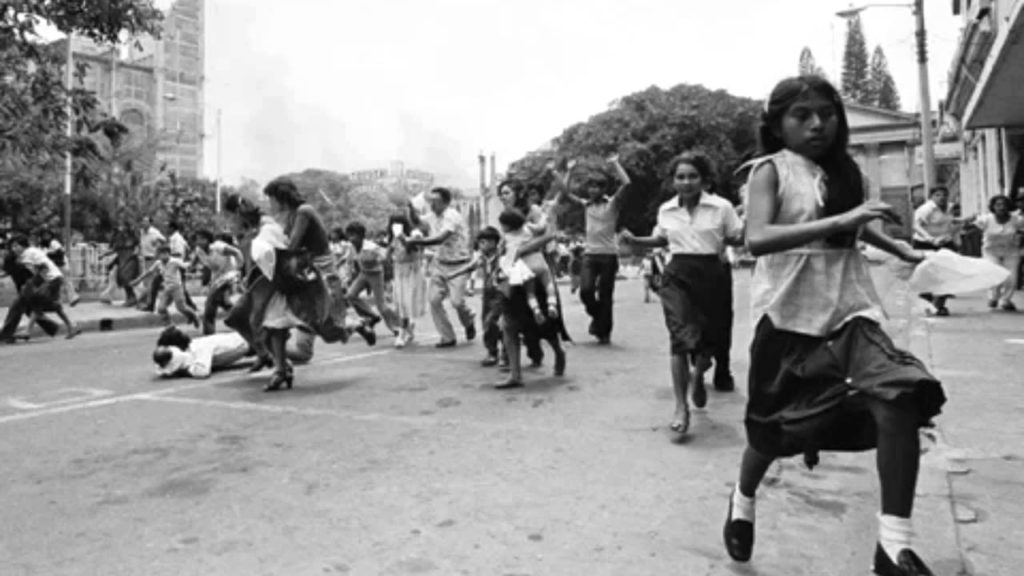
Every immigrant family has a story. Every family has their own reasons for the choices they made.
This is ours.
Walking Toward Hope
Traveling to the U.S. is risky, dangerous, and expensive, but it all comes with the hope that on arrival, it will change your life and give your family the hope they long for.
My parents were born from humble families. They were hard workers, but they did not have the resources to get a visa or work permit to enter the U.S. Some families, either do not have enough money to apply, or they do not qualify based on all the requirements.
The only option my family had to get to this country was crossing the border.
I want to clarify that every immigrant family has their own story. Each family has reasons why they decide to leave their country and how they travel to the U.S. Each circumstance is deeply personal.
Every journey is unique.
This is simply ours.
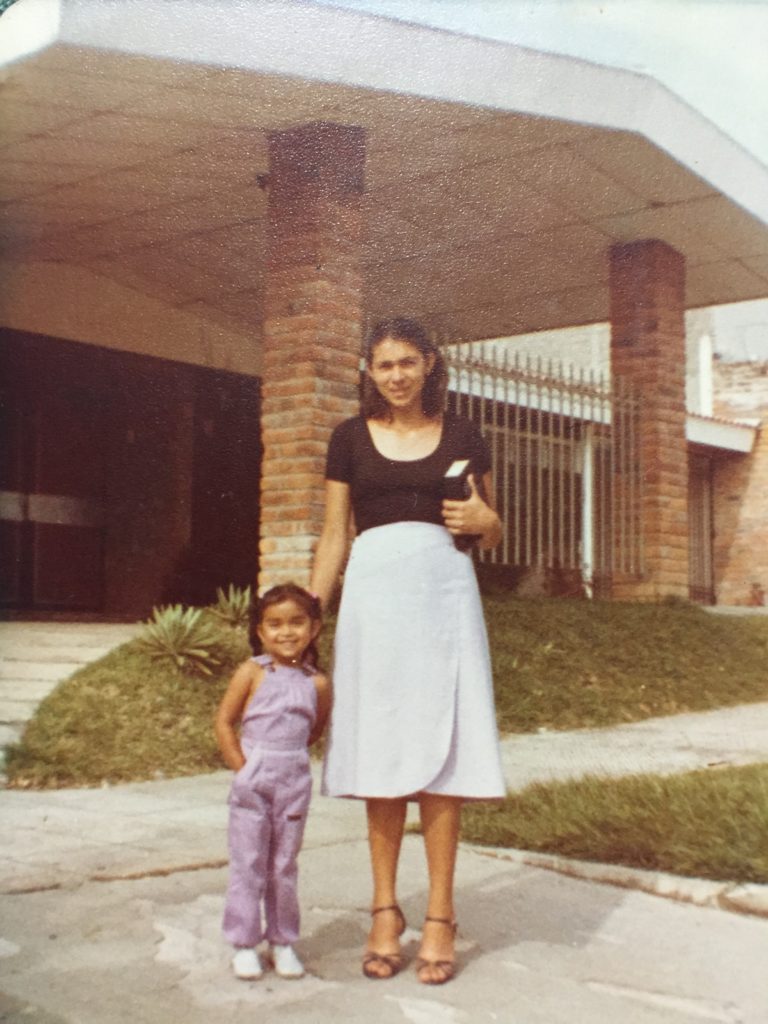
My mom and I traveled to a city in Mexico near the border. When we were there we waited till the early hours of the morning with the group of people we were traveling.
We walked for more than five hours in silence and darkness for fear of several dangers.
I was only four years old and the only child in our group.
I can still remember seeing the fields, the light from the moon, and the cows that night.
Since I was only child in the group, one of the adults whispered to my mom that I should keep quiet so that the cows wouldn’t begin to move or start to moo and alert the border patrol.
Still today, years later, I remember that night.
After hours of walking and crossing the Rio Grande, we arrived at a country full of hopes, dreams, and security.
The Courage of a Mother
Every time I share my story of how I arrived in this country, I am reminded of how brave my mom was (is).
As a little girl, I simply held her hand.
As an adult, I understand the weight she carried.
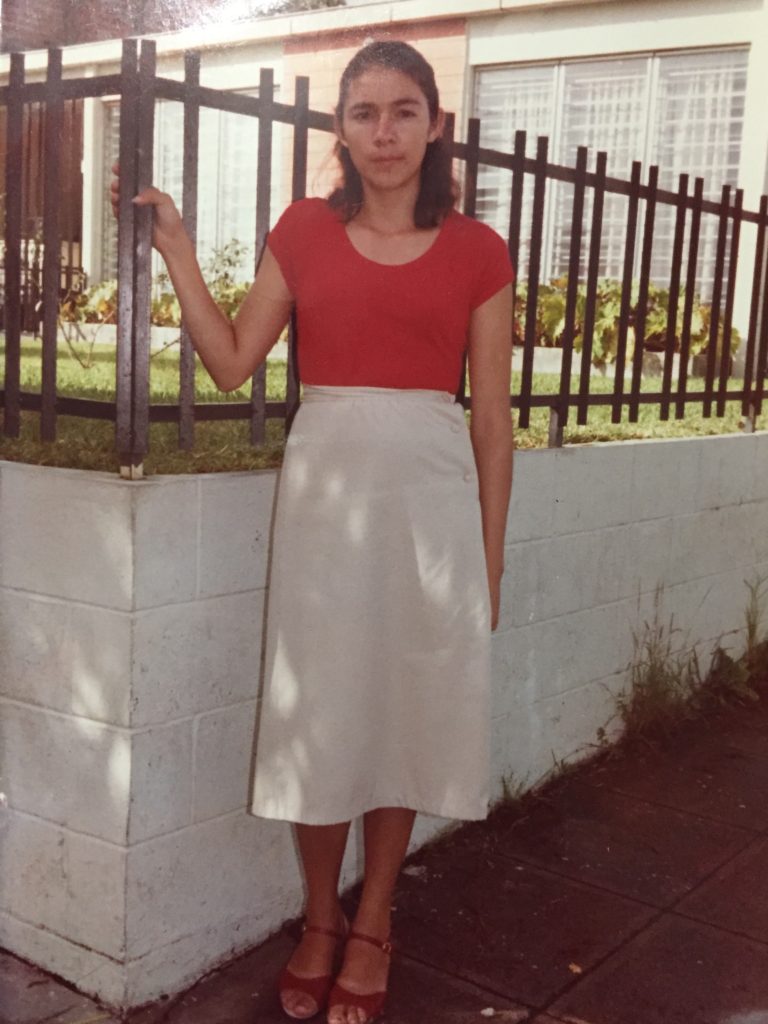
She wasn’t just making a dangerous journey.
She had to think hard about the risk of traveling with her four-year-old daughter. She knew that the risk of staying in a country with growing violence was worse than the risk of traveling to a free and safe country.
She chose hope and sacrifice.
She chose to believe that freedom was worth the risk.
Looking back now, I realize just how courageous she truly was.
I will always be grateful for the risk she chose she take.
The American Dream Wasn’t Free
Arriving in the U.S. is only the beginning of a better life.
Building a life in the United States requires years of hard work, perseverance, and sacrifice.
Nothing was free or handed to my parents. They had to work hard and everything came with a cost.
My parents worked washing cars, cleaning houses, serving others. They worked jobs that few people want but they did it for us. What they earned represented long hours, little rest, and lots of sacrifice.
Then came the process of getting permanent residency.
This is expensive. They invested a lot of money and navigated a system they barely understood.
Unfortunately, they trusted lawyers who preyed on them and promised to help them. Many of them took advanced of my parents desperation.
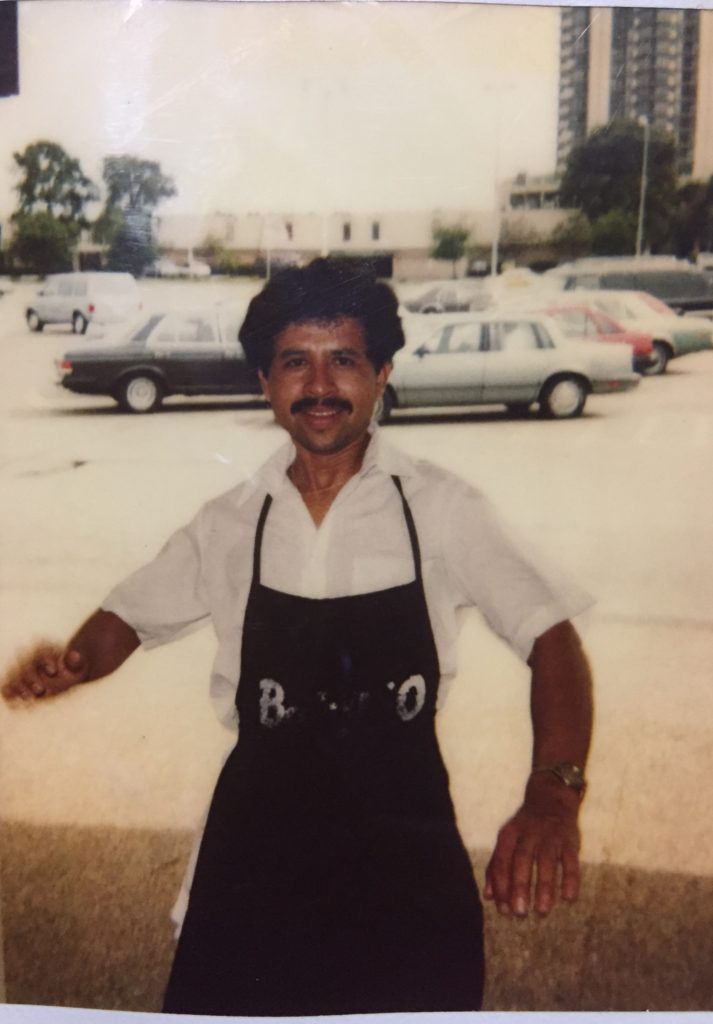
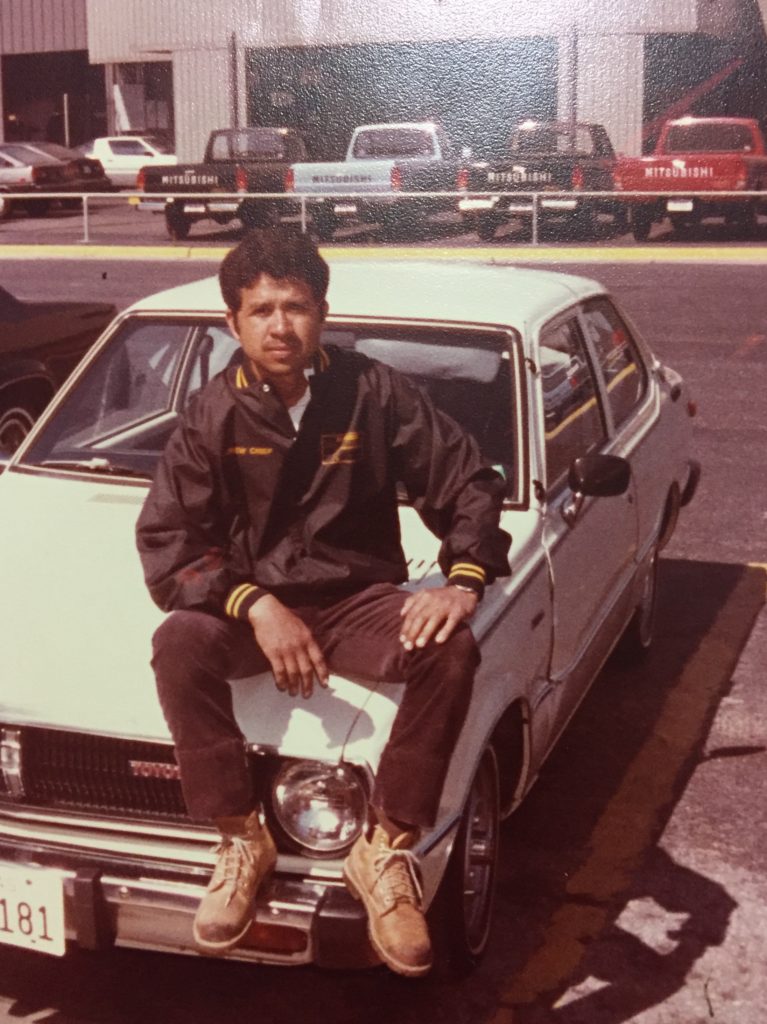
Obtaining residency is the first step toward citizenship. Likewise, each person, each immigrant family has their own process in the system. A huge misconception about immigrations is the ideas that there is simply “a line” people can get into. This is not the case for many families. There are years of waiting and thousands of dollars in legal fees. Changing laws, complicated process, and policies that change make the processes slower and more difficult.
Ten years after arriving in the United States, my mother and I obtained our permanent residency.
Then years later, after about two decades of calling this country my home, I became a United States citizen.
That day represented years of sacrifice, perseverance, and prayer.
And God’s faithfulness to our lives.
Growing Up Between Two Worlds
When I was a little girl, I did not know that I was undocumented. I din’t know we did not have a lot of money.
I didn’t ever realize the burdens that my parents were carrying around. I just knew we always had what we needed. We had food on the table, a place to live, clothes to wear, and parents who loved us and gave us opportunities they didn’t have.
Through the years I began to understand the opportunities that I could not have because of my legal status. For example, most college scholarships are for citizens only. Medical care for undocumented families are very limited. Plus the wages people receive for work are not always fair.
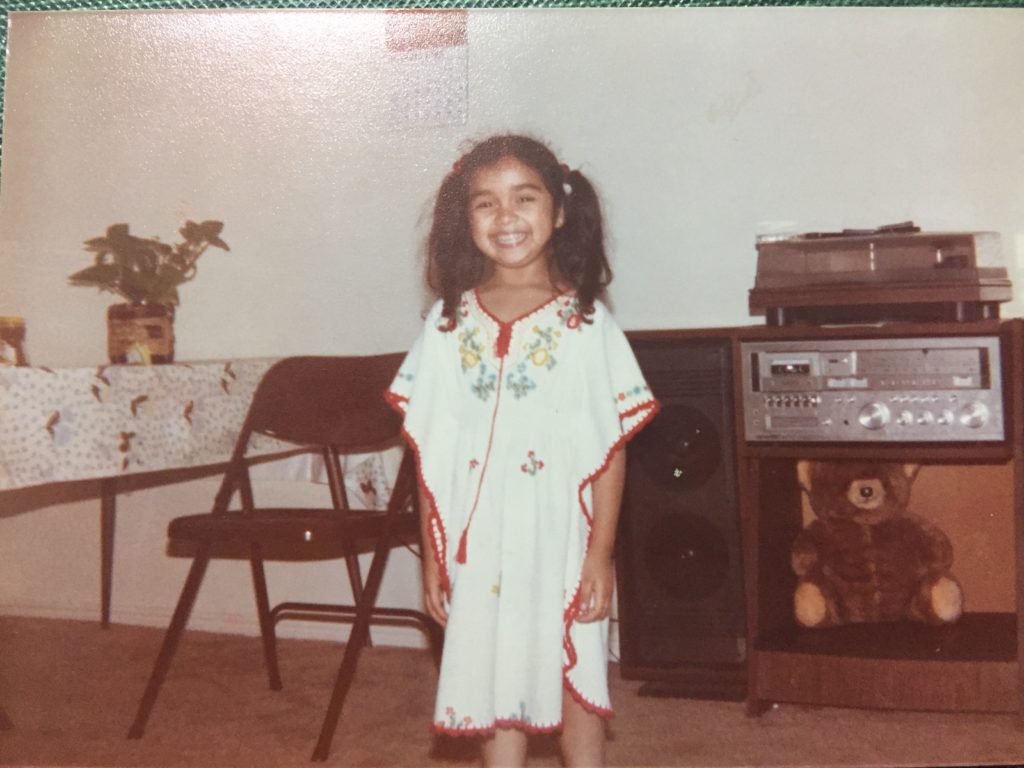
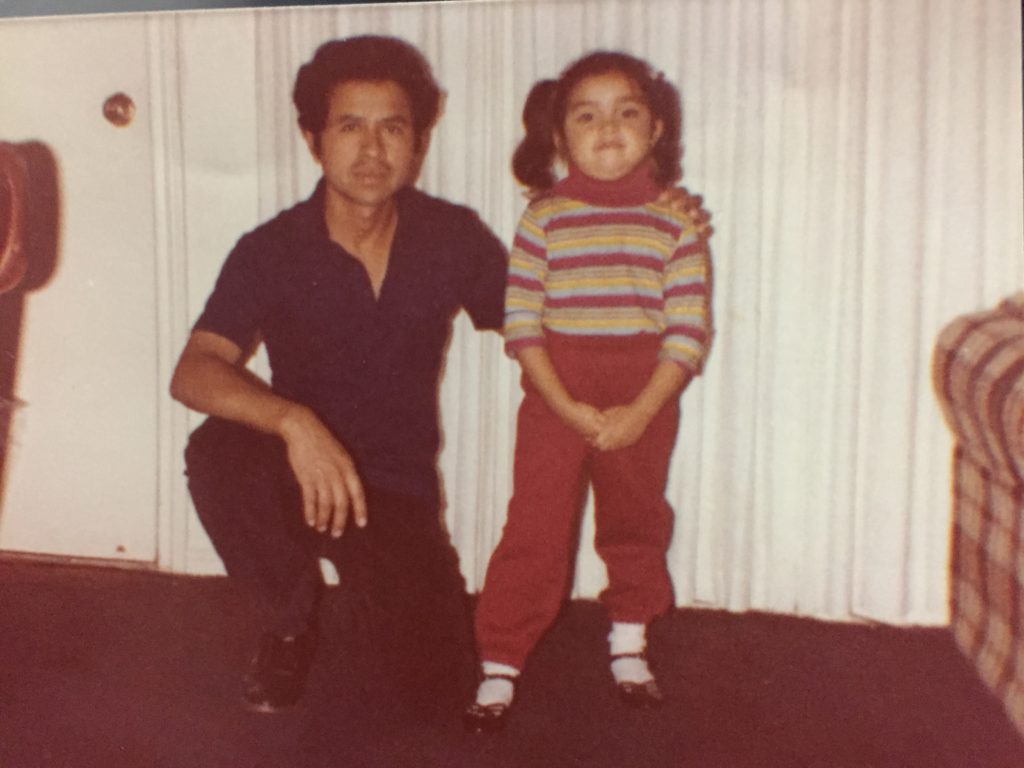
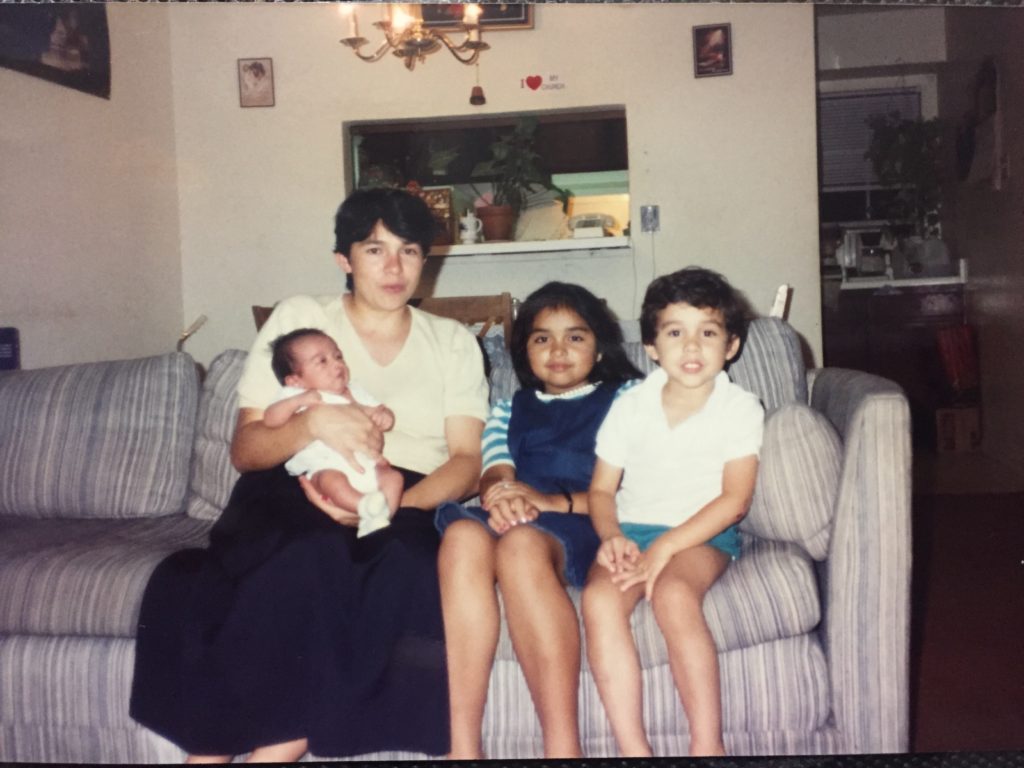
Besides these limitations, I also learned what others think about immigrants. The degrading words some use to describe us or the prejudices people have. Words that reduced people to labels. Words that ignore the sacrifices, the dreams, and the stories behind each immigrant family.
These experiences opened my eyes to how important my legal status was. And even the discrimination that immigrants like myself encounter.
In any case, my legal status did not prevent my family and me from striving to get ahead.
My status never defined who I was.
It simply became one part of my story.
A Legacy of Perseverance
My parents did not allow our circumstances, or hardship to become an excuse for giving up. They taught us that we have dignity and worth. That education is a gift.
And that being faithful is showing up day after day, even when the road is long.
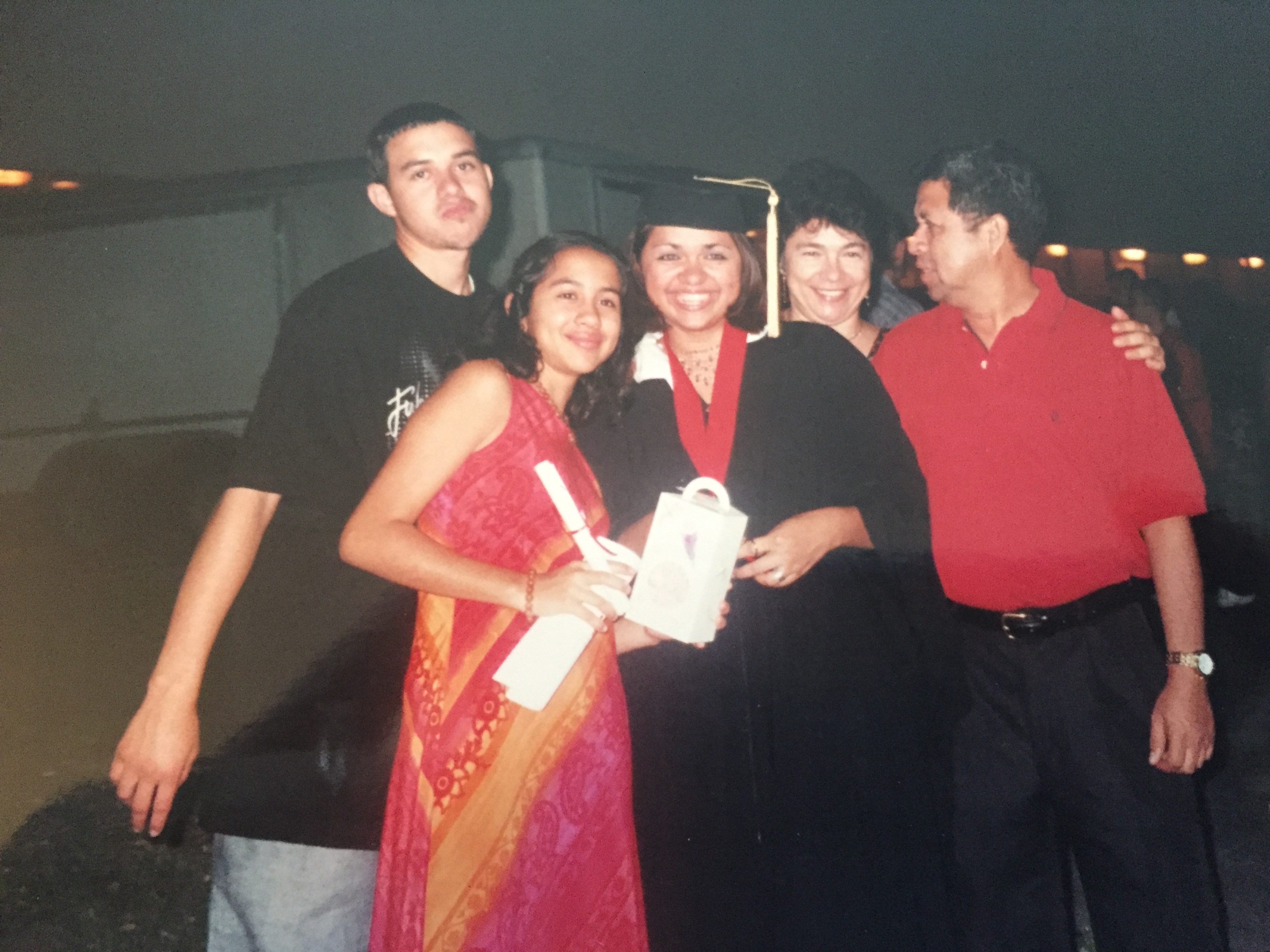
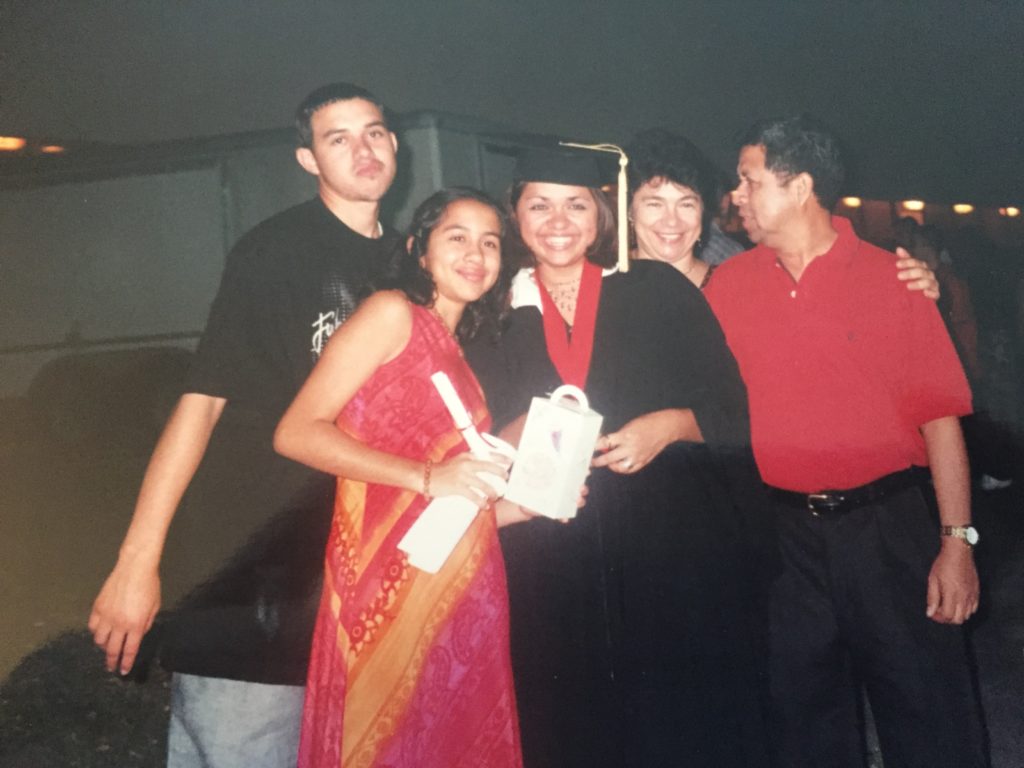
Because of their investment and sacrifices, I was the first person in my family to graduate from high school and then from college.
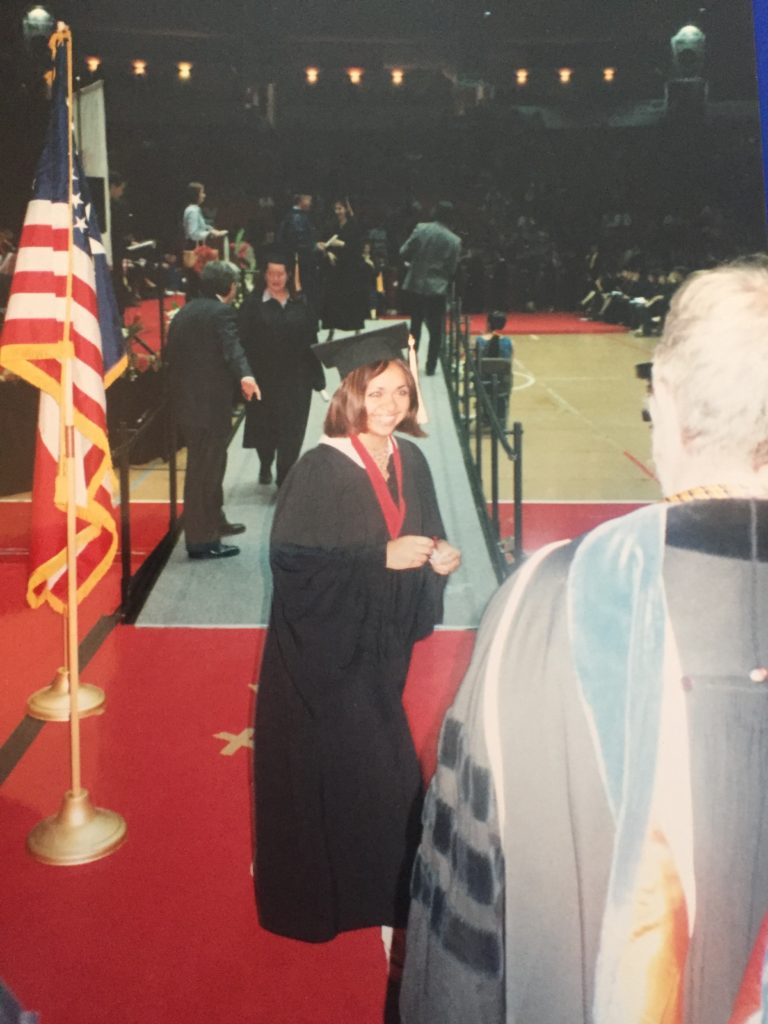
Today, many of my relatives are professionals and several have earned college degrees and built professional careers of their own.
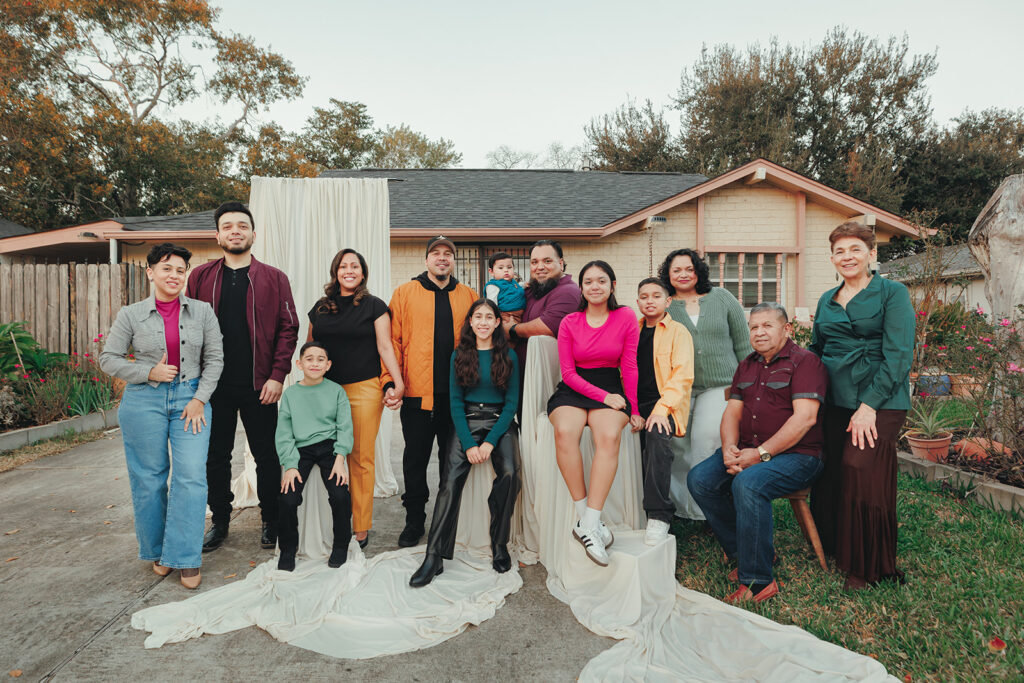
What began for my siblings and I with two parents willing to sacrifice everything has changed the story of my children, my nieces and nephews, and generations to come.
After living in the U.S. for 19 years I was able to get my citizenship.
I still remember standing at my naturalization ceremony.
Listening to the oath.
Holding my US flag.
Realizing that a journey that began in darkness had led to a day filled with light.
I wasn’t becoming someone new.
I was simply receiving, at last, the legal status my parents had worked and prayed for over so many years.
Looking Back, I See God’s Hand
As I reflect on my story, I can see how our faith has sustained us.
Through hardships, poverty, and our immigration process.
God has provided for every need we have faced. Including His protection by allowing us to live in the U.S.
And He surrounded us with people who showed us kindness along the way.
Our story is about God’s provision.
About a mother who trusted Him when she was not sure what was ahead.
About a father who persevered through the struggles.
His faithfulness is woven through every chapter of our lives.
A God who has met our needs time and time again.
The God Who Loves the Foreigner
As I have grown in my faith, I have also grown in my understanding of God’s heart for people who have left their homes.
The Bible if filled with stories of men and women who were strangers in unfamiliar places and new lands. Stories that tell us about the “foreigner”.
For example Abraham, who left everything when God called him to a new place.
Or Jacob and his family who traveled to Egypt.
Ruth, who left her homeland and became a foreigner among God’s people.
And even Jesus experienced life as a refugee.
In Matthew 2:13-15, we read how Joseph, Mary and Jesus had to flee to Egypt to protect the life of Jesus.
Knowing that Jesus’ own family left their home, their positions and arrived in a strange country is comforting for people who live these experiences on a daily basis. It brings me comfort knowing that He understands me.
Throughout Scripture, God repeatedly reminds His people to care for those who are strangers among them.
Leviticus 19:33–34 says,
“When a foreigner resides among you in your land, do not mistreat them… Love them as yourself, for you were foreigners in Egypt.”
And in Deuteronomy 10:18–19 we read,
“He defends the cause of the fatherless and the widow, and loves the foreigner residing among you… And you are to love those who are foreigners.”
These verses have shaped the way I understand both my story and the story of other families like mine.
Why I Tell My Story
I don’t believe that immigration is simple.
I understand that the U.S. has a responsibility to protect its borders. I also understand the need for laws. I also understand that immigration is a pretty complex issue with not easy answers.
I have lived the human side of this complexity. I know what it feels like to be discriminated and reduced to a label. To be misunderstood by people who have never heard my story or the story of other immigrant or refugees families. I know what It is like to be treated without compassion and love. Especially when most people in the U.S. do not understand the immigration process or system. Most people do not know or understand all that those on this journey experience and invest.
One of the reasons I started writing and sharing stories and experiences about my life is to be able to use my voice for stories that often go unheard. Stories that invite others into compassion instead of assumptions. Stories that I hope remind us that behind debates are real people who are created in the image of God.
Mothers, Fathers, Children.
Students, Neighbors, Coworkers.
Friends, Family, Peers.
People with names,
People with stories,
People with dreams and hopes.
My desire is not to convince you to support a political party or policy.
I hope my story encourages you to stop and think before making assumptions.
To listen before forming opinions. To choose compassion over fear.
That is why I write.
Many are quick to incriminate children. Children who did not make the decision to immigrate. Or judge people who had to make the difficult decision to leave or flee their homes to survive.
Many are quick to say that immigrants or DREAMers are taking their jobs. Or that they have free college tuition when this is not true.
My parents never took someone else’s jobs. They worked and continue to work in occupations that few other people will do.
Students and people with DACA* do not have the same opportunities. Like someone who is a citizen or permanent resident.
What they need is the chance to live freely in the country they know as their home. To be able to work, to use their education that many have paid with their own efforts. To have permanent legal status. Many of them have served in the armed forces. Some have even given their lives for a country that does not recognize them as citizens.
I share with you a glimpse of my story. A part of the process that my family has experienced is not to be judged. I share my story with the hope that people will examine the attitude of their hearts. To help develop genuine compassion towards someone like me. To give a voice to the more than 11 million undocumented children, students, and families. People who had to make the decision to immigrate to this country. To live a safe life, free of poverty, wars, violence, and much more.
Perhaps you have a friend, peer, neighbor, or coworker who has a story like mine.
Do you know their story?
You might discover that what felt like a political issue becomes deeply personal when you know someones name.
Every immigrant family has a story.
This is ours.
Stay tuned to the next word…
*DACA- Deferred Action for Childhood Arrivals